
Blog
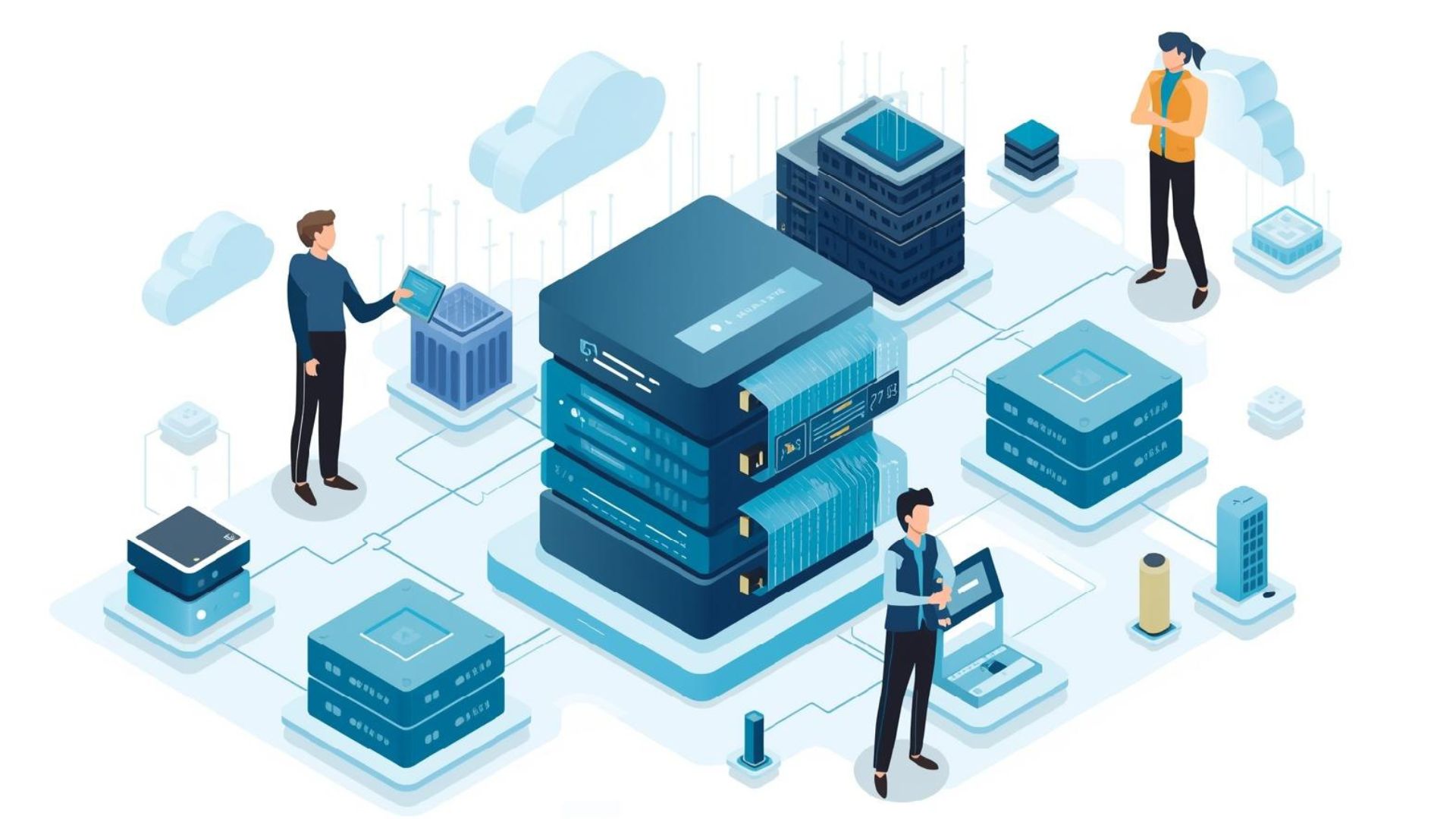
IT Infrastructure Management for Businesses
Strategies to Strengthen Your Technology and Business Operations
In an increasingly digital business environment, technology infrastructure has become the backbone of operational success. For organizations across manufacturing, professional services, healthcare, retail, and construction, the stability and performance of technology systems directly influence daily productivity, client satisfaction, and competitive positioning. When technology systems fail, the financial consequences extend far beyond IT departments—affecting revenue, regulatory compliance, and the client relationships that drive long-term business value.
Technology Disruptions as Insurable Business Risks
Modern businesses face a fundamental challenge: operational dependence on technology systems creates significant financial exposure. System outages, cyber incidents, and technology failures disrupt revenue-generating activities just as effectively as fires, floods, or other traditional property losses. The critical difference lies in how these risks manifest and how insurance responds.
Traditional business interruption coverage typically requires direct physical loss to trigger protection. Technology failures—whether from cyberattacks, system malfunctions, or cloud provider outages—often occur without physical damage, creating potential coverage gaps that many business leaders don’t recognize until a claim is denied. Understanding these distinctions becomes essential for structuring complete protection against the operational realities organizations face today.
Critical Technology Exposures Businesses Face
Organizations that depend on technology systems for core business functions face several distinct categories of financial risk that warrant both operational attention and insurance consideration:
Revenue Interruption from System Failures: When networks go dark or critical applications become inaccessible, revenue-generating activities stop immediately. The financial impact accumulates rapidly—lost sales, idle employees, contractual penalties, and competitive disadvantages that persist even after systems are restored. These interruptions create quantifiable losses that traditional insurance mechanisms can address, provided coverage is structured appropriately.
Cyber Incidents and Security Breaches: Ransomware attacks, data breaches, and malicious cyber events represent distinct operational threats with unique financial consequences. Beyond immediate system disruption, these incidents create regulatory notification obligations, legal liabilities, forensic investigation costs, and reputational damage that affects client retention and acquisition. The insurance response to cyber events differs significantly from traditional property-based business interruption, making specialized coverage essential.
Third-Party Technology Dependencies: Many organizations depend on cloud providers, software vendors, or other third-party services for critical business functions. When these external providers experience disruptions, your business operations suffer—yet traditional insurance coverage may not extend to losses arising from vendor failures unless specifically addressed through contingent business interruption or supply chain coverage.
Regulatory and Contractual Obligations: Technology systems often support compliance requirements, contractual service commitments, and regulatory reporting obligations. System failures that prevent timely compliance or breach service agreements create financial penalties and legal exposure beyond the immediate operational disruption.
The Insurance Framework for Technology Risk
Businesses seeking comprehensive protection against technology-related operational disruptions should understand how different insurance mechanisms address these exposures and where potential gaps may exist:
Business Interruption Coverage Considerations: Traditional business interruption policies typically require direct physical loss or damage to trigger coverage. Technology failures without corresponding physical damage often fall outside this protection. However, some insurers offer endorsements or specialized policies that extend business interruption coverage to include non-physical damage triggers, such as system failures or software malfunctions. Coverage varies significantly by policy form and insurer, making professional review essential.
When evaluating business interruption protection, businesses should clarify whether coverage responds to technology failures, understand any waiting period requirements before benefits begin, and confirm how recovery periods are calculated. These policy mechanics directly determine whether coverage aligns with actual operational vulnerabilities.
Cyber Insurance and Technology Disruption: Cyber insurance policies specifically address losses arising from cyber incidents, including system failures resulting from attacks, ransomware, or malicious code. Business interruption coverage within cyber policies responds to income losses during system recovery, though coverage triggers, waiting periods, and limitations vary considerably among insurers.
Not all cyber policies cover partial system outages or provide protection for cloud provider failures by default. Businesses should evaluate whether cyber business interruption coverage extends to scenarios they actually face—including distributed denial of service attacks, system contamination, and third-party technology provider failures. Coverage varies significantly by policy form and insurer, making professional review essential to confirm protection matches operational dependencies.
Errors and Omissions Protection: For professional service organizations, technology failures that prevent service delivery or compromise client work can create liability exposure separate from first-party income losses. Professional liability insurance protects against claims arising from these service disruptions, though coverage effectiveness depends on how policies define covered services and whether technology failures constitute covered errors.
Contingent Business Interruption Coverage: When your business depends on third-party technology providers, contingent business interruption coverage extends protection to income losses resulting from disruptions at suppliers, vendors, or service providers. This coverage becomes particularly relevant for organizations using cloud-based systems, software-as-a-service platforms, or other external technology services critical to operations.
Strategic Risk Management Through IT Infrastructure Management
While comprehensive insurance provides financial protection against technology disruptions, operational excellence through effective IT infrastructure management reduces the frequency and severity of these events. The most sophisticated risk management approaches combine both elements—using operational practices to minimize exposure while maintaining insurance protection for residual risks that persist despite preventive measures.
Organizations implementing structured technology oversight experience measurable risk reduction:
Proactive System Monitoring: Continuous monitoring enables early detection of vulnerabilities, performance degradation, or security threats before they escalate into major disruptions. This preventive approach minimizes both operational impact and the likelihood of insurance claims while maintaining business continuity.
Disaster Recovery and Business Continuity Planning: Comprehensive recovery protocols reduce system restoration time when disruptions occur, directly limiting business interruption losses. Organizations with tested recovery procedures return to operations faster, minimizing the financial impact that insurance coverage must address.
Security Architecture and Access Controls: Robust security measures including firewalls, encryption, multi-factor authentication, and network segmentation reduce vulnerability to cyber incidents. These protective measures not only minimize operational risk but also influence cyber insurance pricing and coverage availability.
Vendor Management and Technology Dependencies: Understanding which systems are mission-critical and which third-party providers support essential functions enables organizations to structure appropriate redundancy and contractual protections. This operational awareness also informs insurance coverage decisions regarding contingent business interruption needs.
Integrating Operational Strategy and Insurance Protection
The most effective approach to managing technology-related business risks combines operational excellence with strategically structured insurance coverage. Organizations should:
Assess Technology-Dependent Revenue Streams: Identify which business processes, client services, and revenue-generating activities depend on specific technology systems. Understanding these dependencies quantifies potential business interruption exposure and informs appropriate insurance limits.
Document Recovery Time Objectives: Determine how quickly critical systems must be restored to avoid significant financial impact. These recovery time objectives directly inform business interruption waiting period selections and help insurers understand actual operational vulnerabilities.
Evaluate Current Coverage Against Operational Realities: Review existing business interruption, cyber, and other relevant policies to confirm coverage responds to the technology failure scenarios your business actually faces. Pay particular attention to coverage triggers (physical damage requirements), waiting periods, recovery period limitations, and any exclusions that might create gaps.
Address Coverage Gaps Proactively: Where standard policies don’t address technology-related risks adequately, explore endorsements, specialized cyber coverage, or technology errors and omissions policies that provide targeted protection. The goal is ensuring insurance coverage aligns with how your business actually operates and where operational dependencies create financial vulnerability.
Establish Unified Risk Oversight: Leadership should receive integrated reporting on both technology infrastructure health and insurance coverage adequacy. This comprehensive view enables proactive decision-making before vulnerabilities create unprotected financial exposure.
Building Comprehensive Protection
Technology infrastructure management represents both an operational imperative and an insurance consideration for modern businesses. Organizations that understand technology dependencies, implement robust operational practices, and structure insurance coverage that responds to actual risk exposures position themselves to pursue growth opportunities while maintaining the financial protection essential for long-term stability.
At Infinity Insurance Partners, we help businesses navigate the complex intersection of operational technology risks and insurance protection. Our consultative approach evaluates actual technology dependencies, clarifies how different insurance mechanisms respond to technology failures, and structures coverage that addresses the specific exposures your business faces—including the nuanced distinctions between traditional business interruption, cyber insurance, and other protective mechanisms. To learn more about the insurance solutions we provide, visit our Services page.
For organizations seeking to strengthen their risk management approach to technology-dependent operations, we offer comprehensive analysis of technology-related exposures and insurance solutions tailored to operational realities. Contact our team to discuss how we can help protect your organization’s operational continuity and financial stability through strategically structured insurance programs.
Latest Posts

6 Compliance Risk Strategies for Complex Business Exposures
Learn how stronger internal controls, contractual reviews, and insurance assessments can help businesses manage regulatory and financial exposure.

Commercial Dispute Funding: Key Considerations for Business Owners
Learn about commercial litigation funding, its financial implications, and important considerations for businesses navigating legal disputes.

How Property Damage Exposes Businesses to Financial Loss
Explore how property valuations, coverage limitations, and business interruption can affect a company’s financial resilience after a major loss.